History
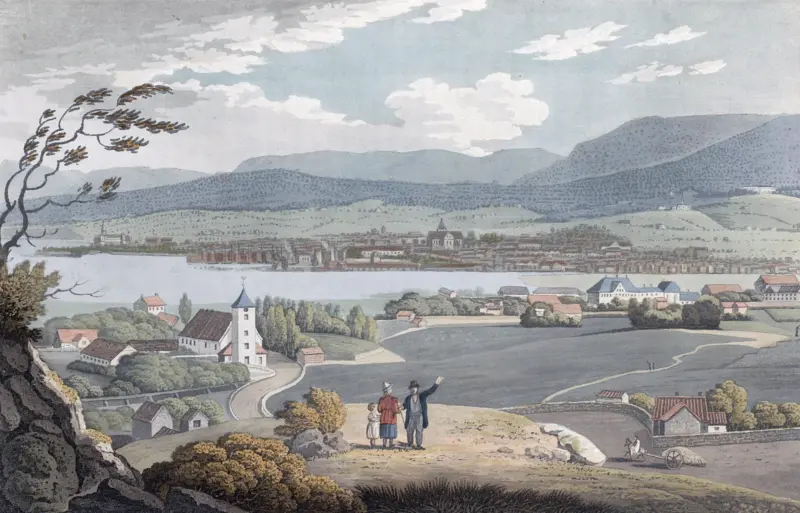
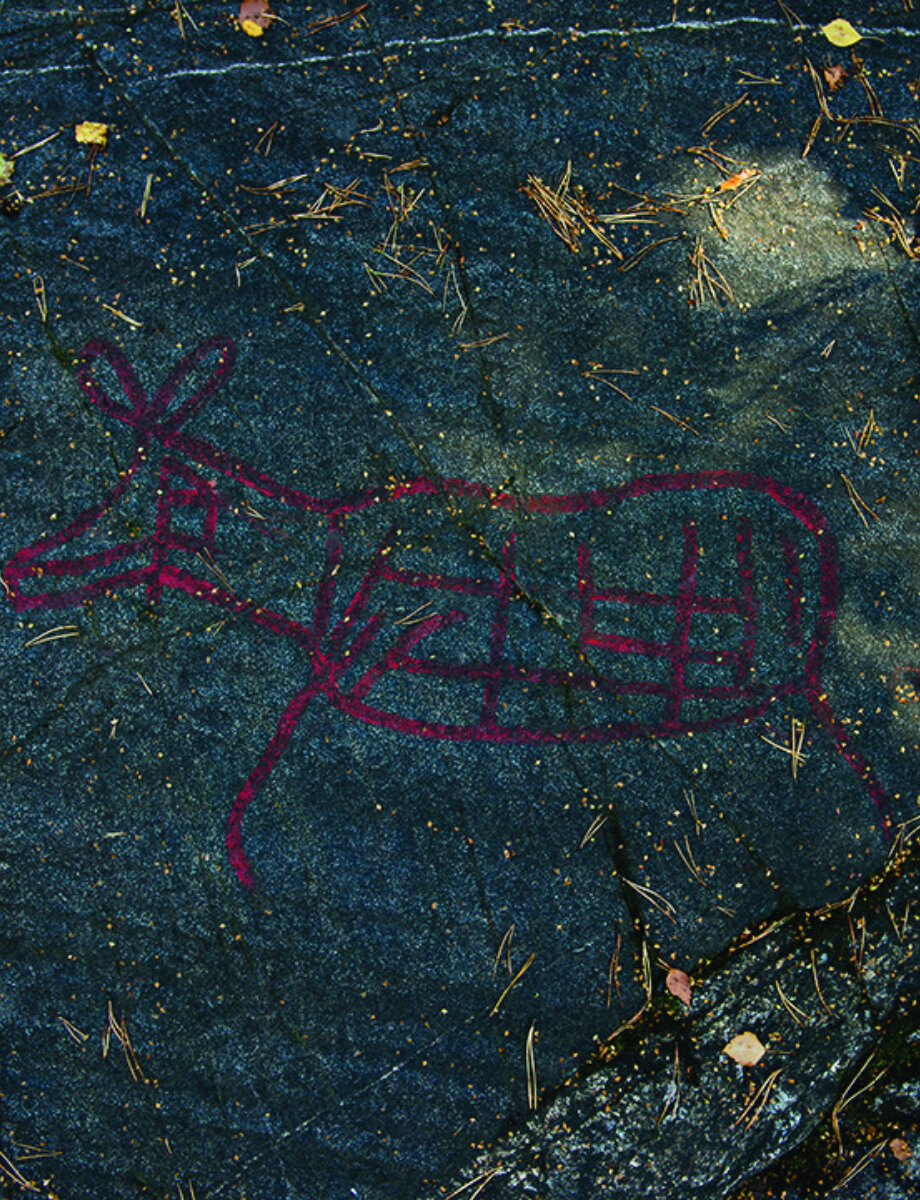
People have lived on Ekeberg for more than 10,000 years, ever since the ice retreated after the last ice age. There are many traces in the park area of petroglyphs, settlements and burial mounds.
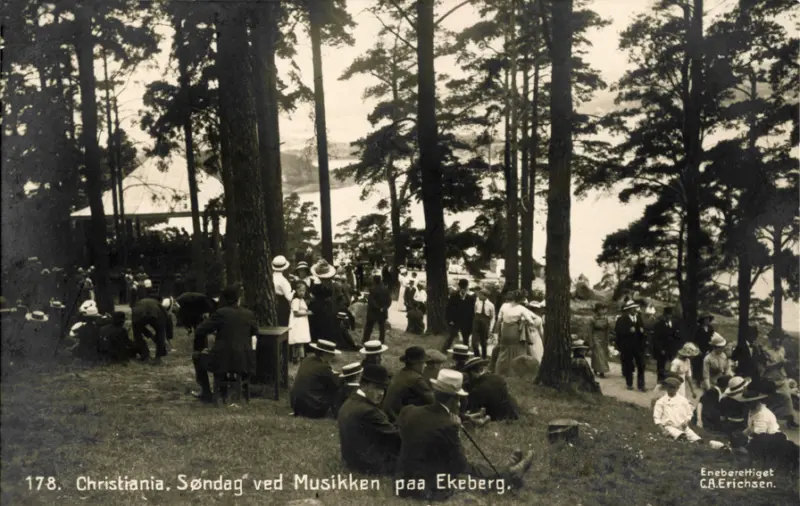
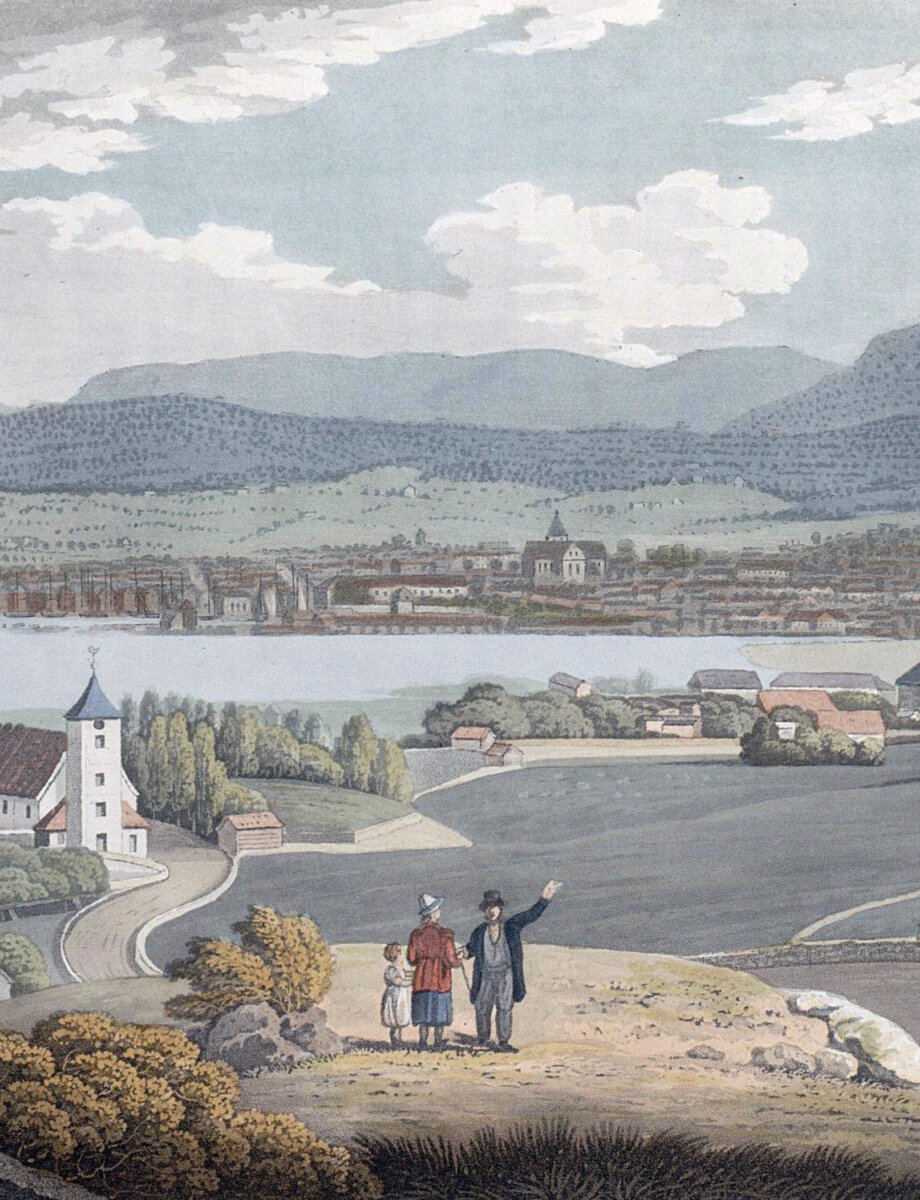
These traces show the transition from hunter-gatherer to agricultural society. Its location on the slope above the entry from the fjord to the city, made Ekeberg strategically important in the defense of Oslo. With the establishment of a public park in 1889, it became a popular recreational area for the city's residents. The second world war and the years of occupation cast a shadow over the area, before it was revitalized with a sculpture and cultural heritage park.
See our historical timeline
Cultural Heritage
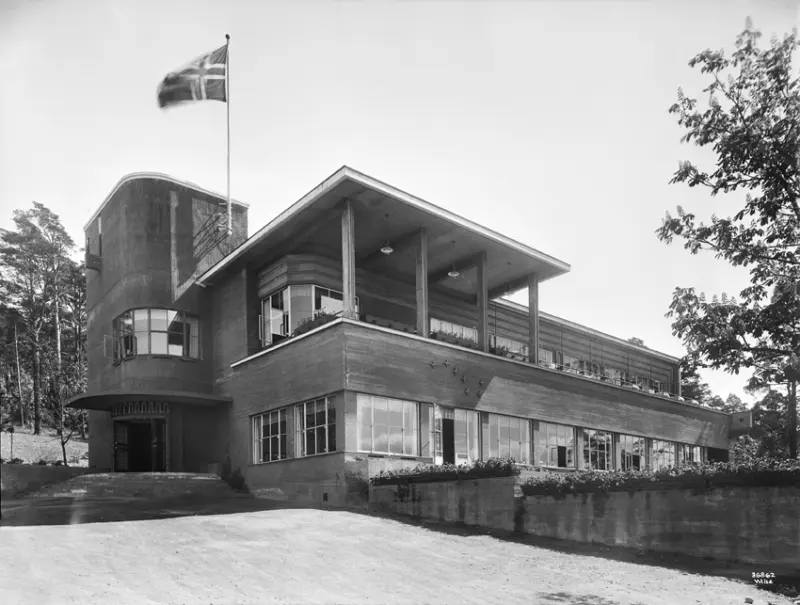
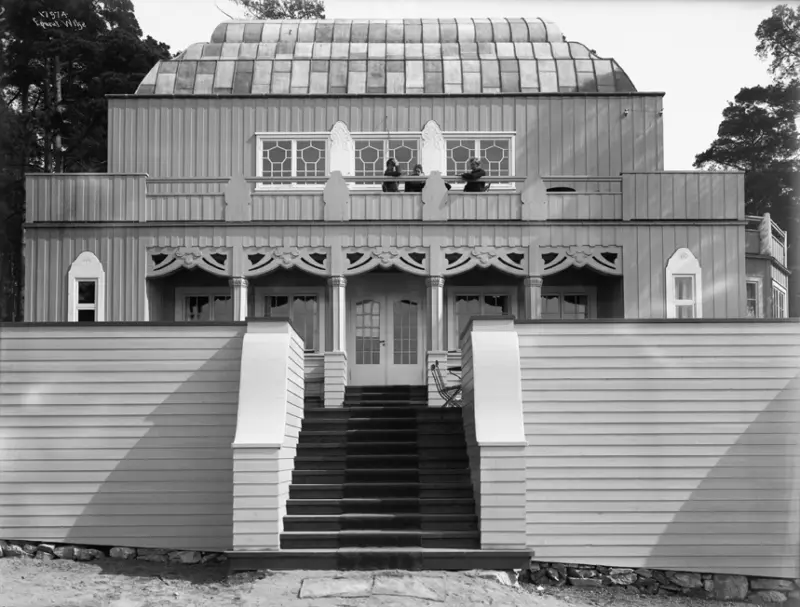
The comprehensive surveys in preparation for the establishment of the sculptural park in 2011 showed that the cultural heritage at Ekeberg was even richer and more extensive than previously thought.
A Public Park Anno 1900
In 1889 the City Council bought a large private property at Ekeberg, with the intention to create a recreational area for the inhabitants of Kristiania. The initiative came from the mayor, Evald Rygh (1842–1913) with support from Christiania Arbeidersamfund (Christiania worker's society).
The War Cemetery
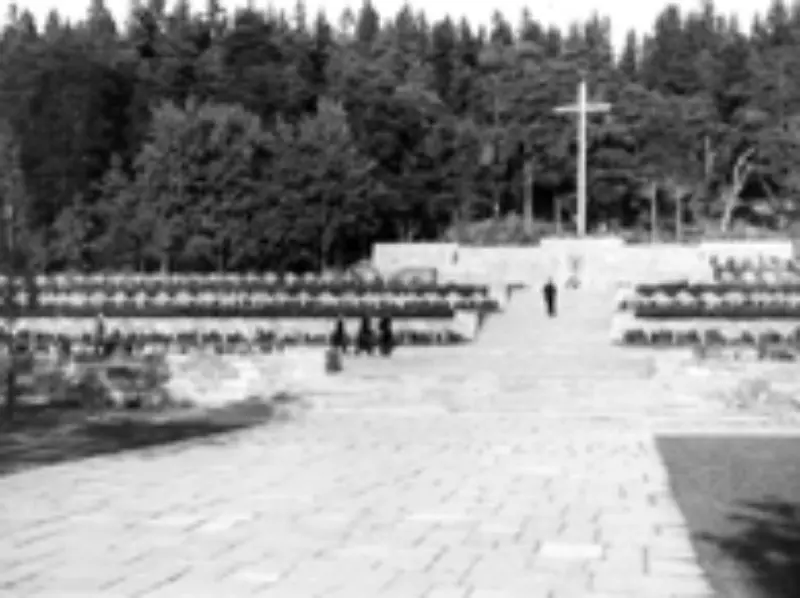
The Ekeberg area, with its steep hillsides, the plateau and the striking view of the city and the fjord, was seen as a strong strategic and military point for centuries, and for the occupying forces during World War II.
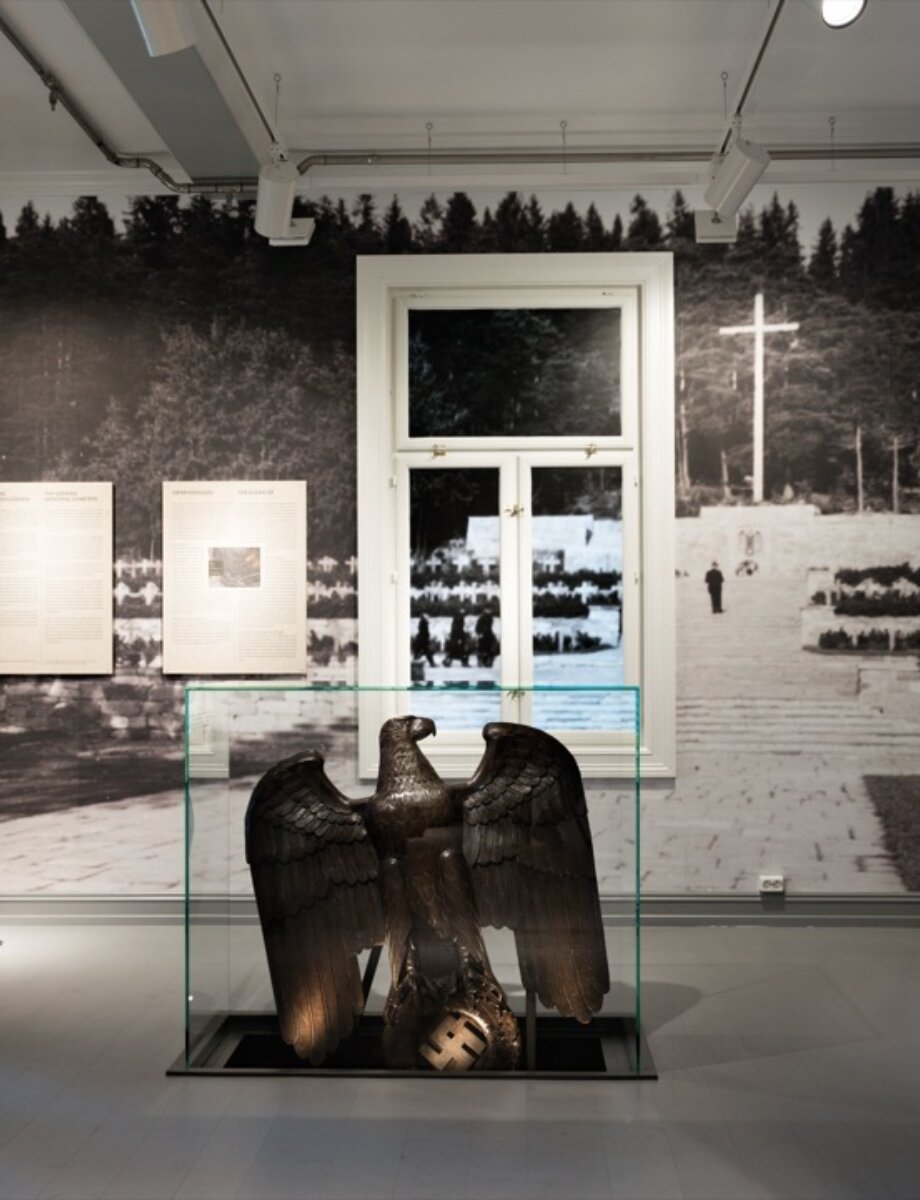
Post-war
After the war, the whole of Ekeberg was cleared. It became important to make sure the park was safe to use, but also important to get rid of the cemetery as quickly as possible.
The establishment of Ekebergparken
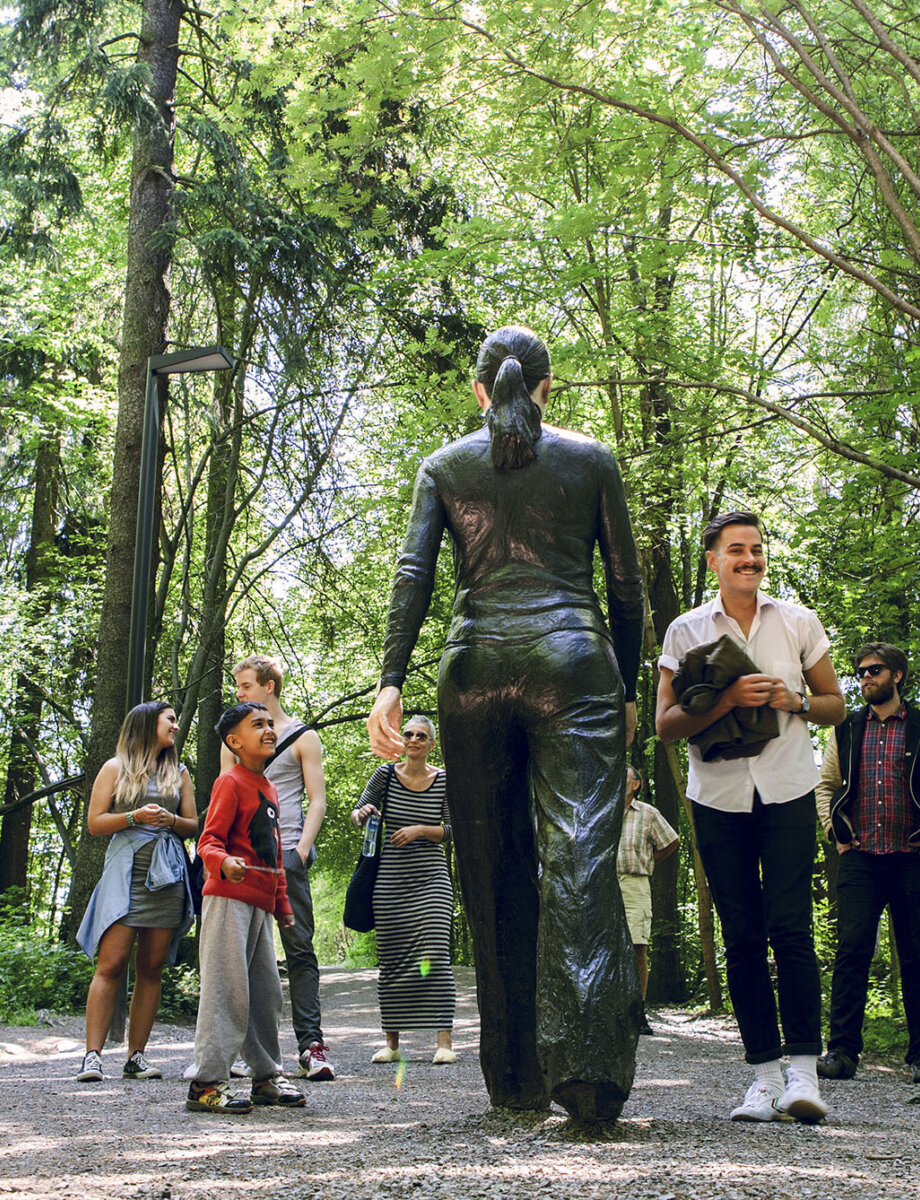
The Ekeberg Park officially opened on 26th September 2013. Around fifty representatives from the Norwegian and international press attended. The reviews were overwhelmingly positive. Ekebergparken has since figured in many listings of the best sculpture parks in the world.