Nature
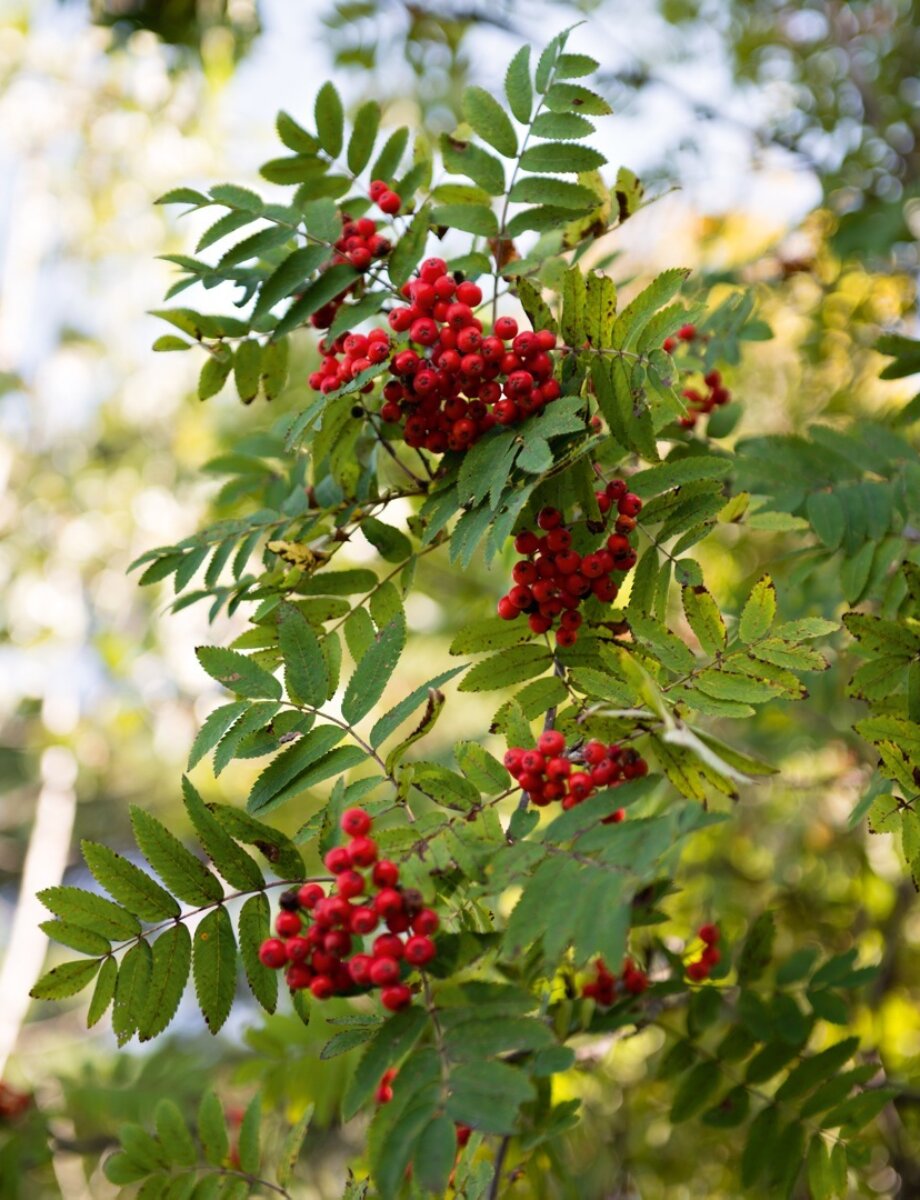
When the ice retreated after the last ice age, plants and man fol lowed close at heal. People contributed to some degree to the spread of plants. But it was not until man started to cultivate the land that our influence on nature became more apparent. Crop growing and grazing turned Ekeberg into a cultural landscape, and even though large areas may look untouched today, around half of the plant species found inn the area are present because of human activity.
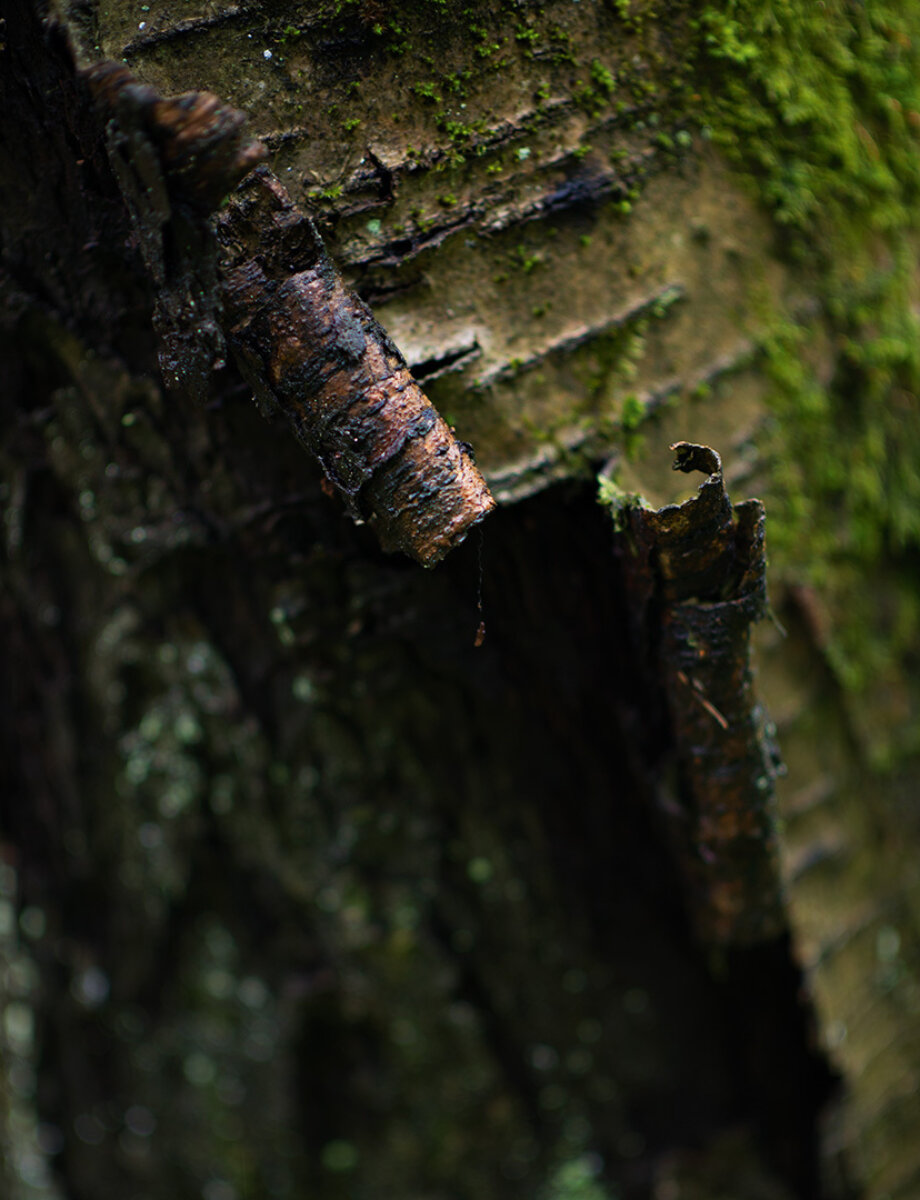
Birds and tree hollows
In Ekebergparken, more than 40 species of breeding birds have been recorded.
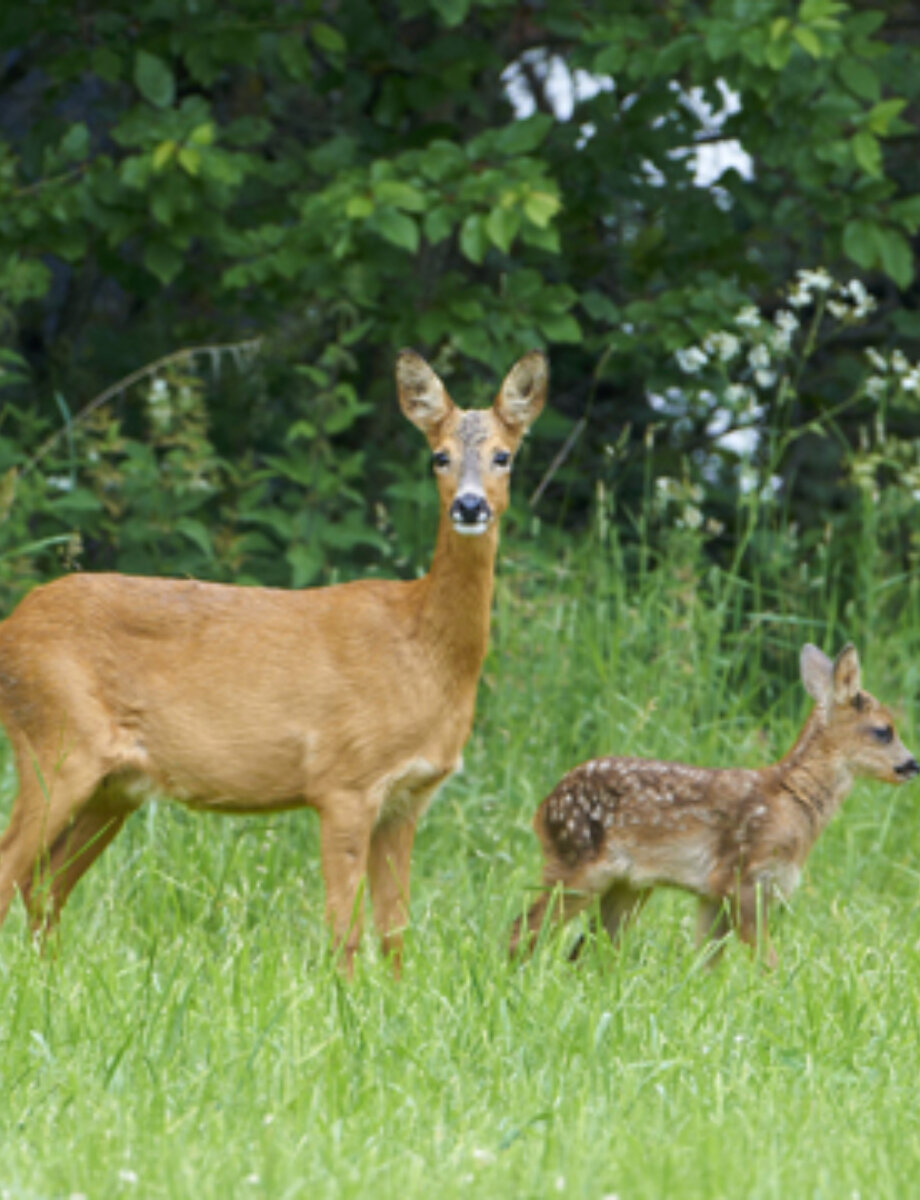
Domestic animals and wildlife at Ekeberg
Rock hard facts
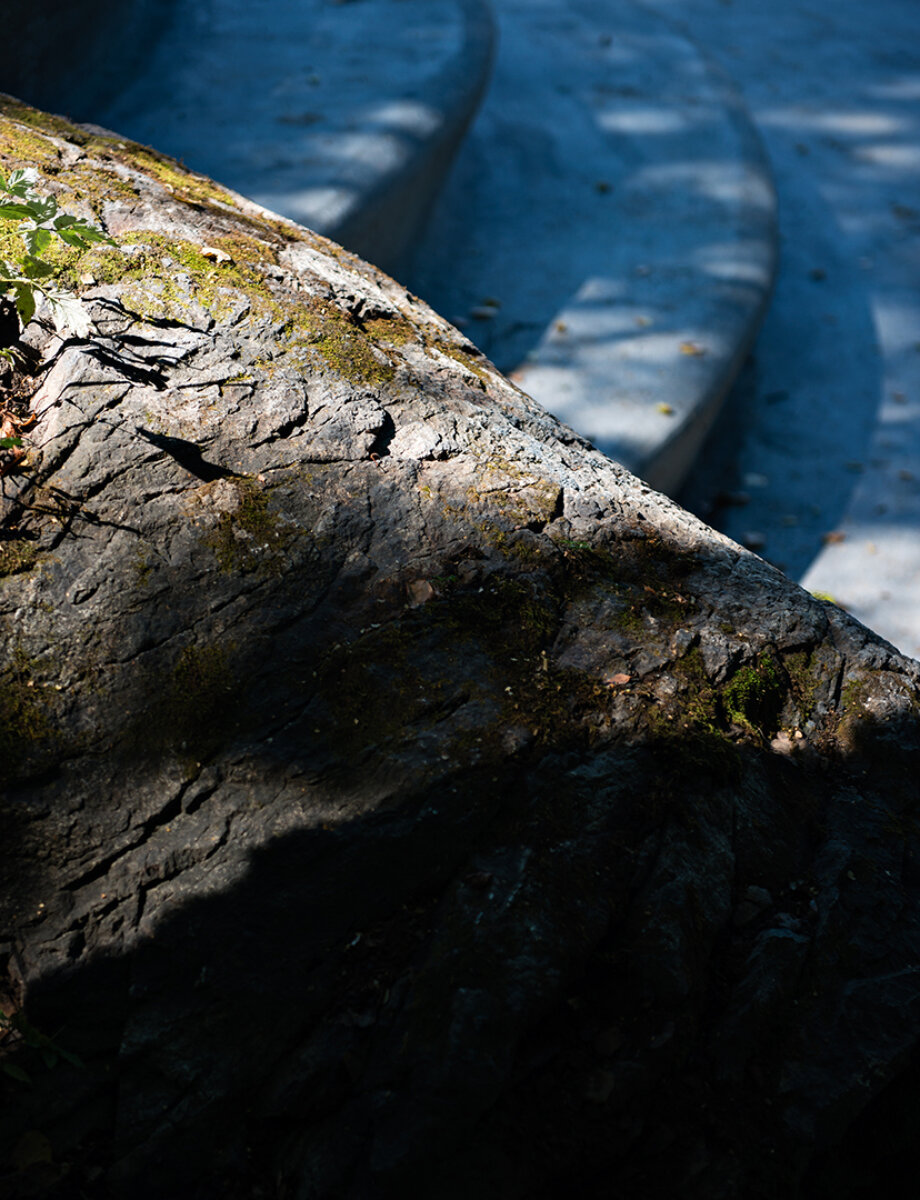
Ekeberg has some unique topological features thanks to hundreds of millions of years of geological processes.
Indigenous plants, cultivated plants and garden runaways
Over the last 150 years, the Ekeberg landscape has seen the arrival of a new type of vegetation – garden plants. Ornamental shrubs and garden flowers know no bounds and will spread eagerly to forests and fields if so allowed. Some of the garden runaways have resulted in changes in the composition of species in nature.